Mung Beans for Sprouting
Legumes · Sprouting
Mung Beans for Sprouting
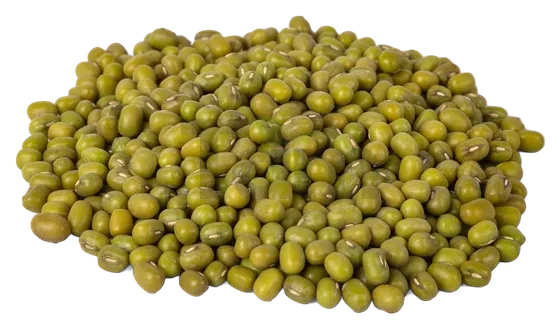
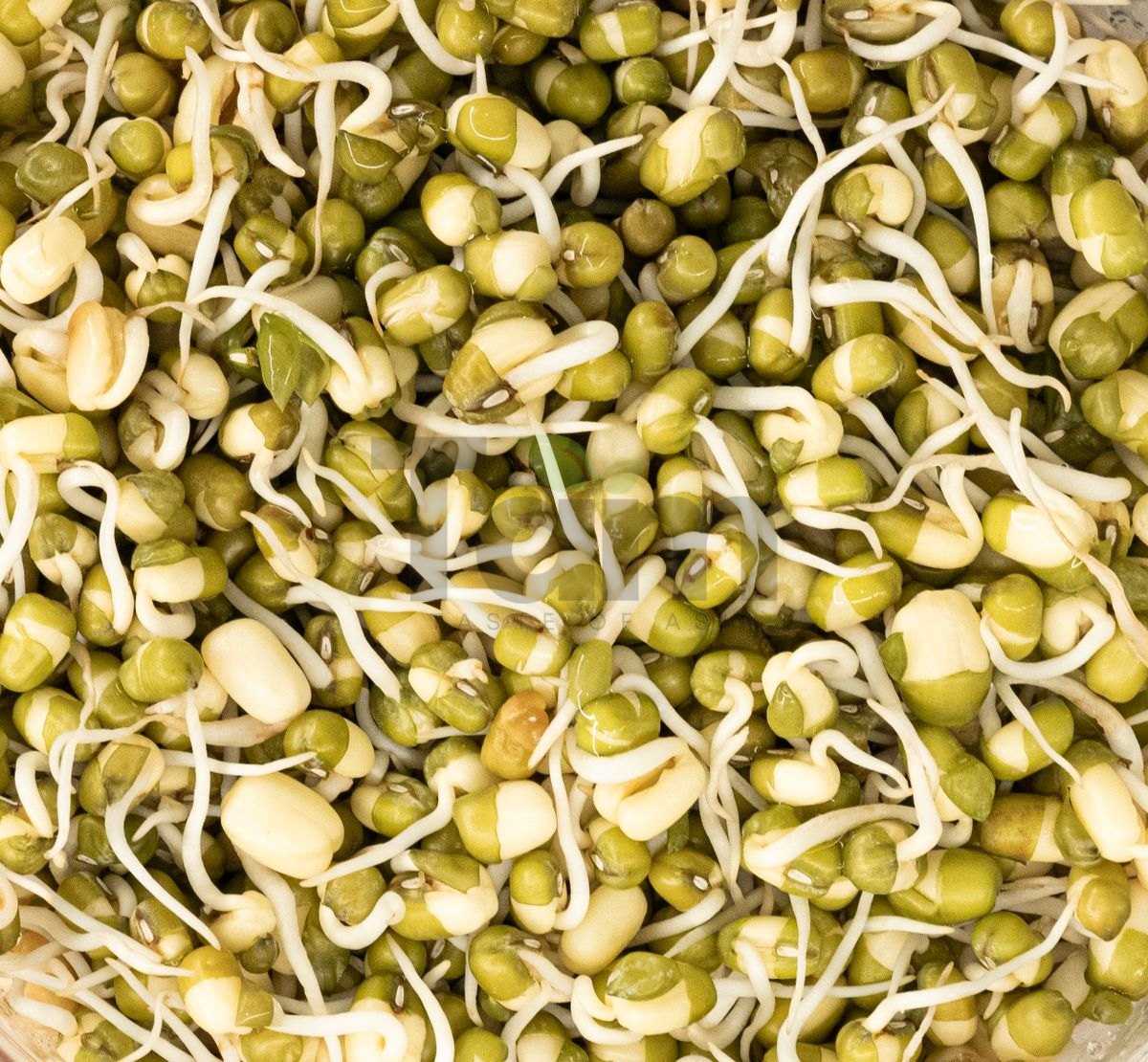
Fresh bean sprouts are grown from sprouting-grade mung beans. TAM mung beans are colour-sorted and cleaned to 99.9% purity, so they germinate evenly and give long, white, crisp sprouts for wholesalers, sprout farms, supermarkets and Asian kitchens.
At a glance
| Grade | Sprouting quality, colour-sorted |
| Purity | 99.9% minimum |
| Moisture | 14% maximum |
| Sprouting time | 3–5 days at 20–25 °C |
| Typical yield | About 6–8 kg of sprouts from 1 kg of beans |
| Packing | 25 kg PP bags or 1,000 kg big bags |
Working tips
- Rinse the beans well and soak them in cool water for 8–12 hours.
- Drain and keep them dark and moist at 20–25 °C. Rinse 2–3 times a day so they do not overheat.
- Put light weight on top while they grow for thicker, straighter sprouts, the way commercial growers do.
- Harvest after 3–5 days when sprouts reach 4–6 cm, rinse in cold water and keep chilled.
What sprout growers check
- Germination: beans should sprout evenly at the same time.
- Few hard seeds that stay closed after soaking.
- Even size and colour, with no broken beans, stones or dust.
Food safety
- Rinse and disinfect seeds before sprouting, following local food-safety rules.
- Use clean drinking water and sanitised trays.
- Chill sprouts quickly after harvest and keep them below 5 °C.
Starter recipe
Home-grown mung bean sprouts
Makes about 500 g
Ingredients
- 100 g TAM sprouting-grade mung beans
- Cool drinking water
- A jar or sprouting tray with a mesh lid
Method
- Rinse the beans and soak them in plenty of cool water for 8–12 hours.
- Drain well, put the beans in the jar or tray and keep them in a dark place at room temperature.
- Rinse and drain 2–3 times a day. Do not leave the beans standing in water.
- After 3–5 days, when the sprouts are 4–6 cm long, rinse them in cold water, remove loose hulls and keep in the fridge for up to 3 days.
Best TAM products for this
Sprouting-grade mung beans: 99.9% purity, max 14% moisture and max 1% defective grains, so almost every bean sprouts and the batch stays clean.